How Often Does Solar Equipment Need Maintenance in 2026?

Time:2026-10-13 Author:Mason
0%

How often does solar equipment need maintenance in 2026? The answer depends on system age, climate, equipment quality, and installation conditions. A rooftop array beside a dusty road may need more attention than one in a mild coastal area. Snow, salt air, pollen, rodents, and shade can all change the maintenance schedule.

Andy Walker, a photovoltaic operations and maintenance researcher at the National Renewable Energy Laboratory, has stated, “PV systems are very reliable, but they still need maintenance.” That practical view remains important in 2026. Most homeowners should arrange a professional inspection at least once a year. Commercial systems may require quarterly checks, remote monitoring, thermal imaging, and detailed performance reviews.

Maintenance is not only about washing panels. Technicians may inspect mounting bolts, wiring, connectors, inverters, batteries, drainage, and visible damage. They can compare energy production with expected output and identify small losses before they become expensive repairs. A sudden drop after heavy rain deserves attention. So does a hot connection found during infrared testing.

Still, no schedule fits every property. This is where many simple articles become misleading. Some systems operate well for years with limited service. Others need repairs sooner because of poor airflow, harsh weather, or neglected installation details. The most reliable answer to how often does solar equipment need maintenance begins with documented inspections and actual performance data, not guesswork. A qualified professional should confirm the final schedule for each system.
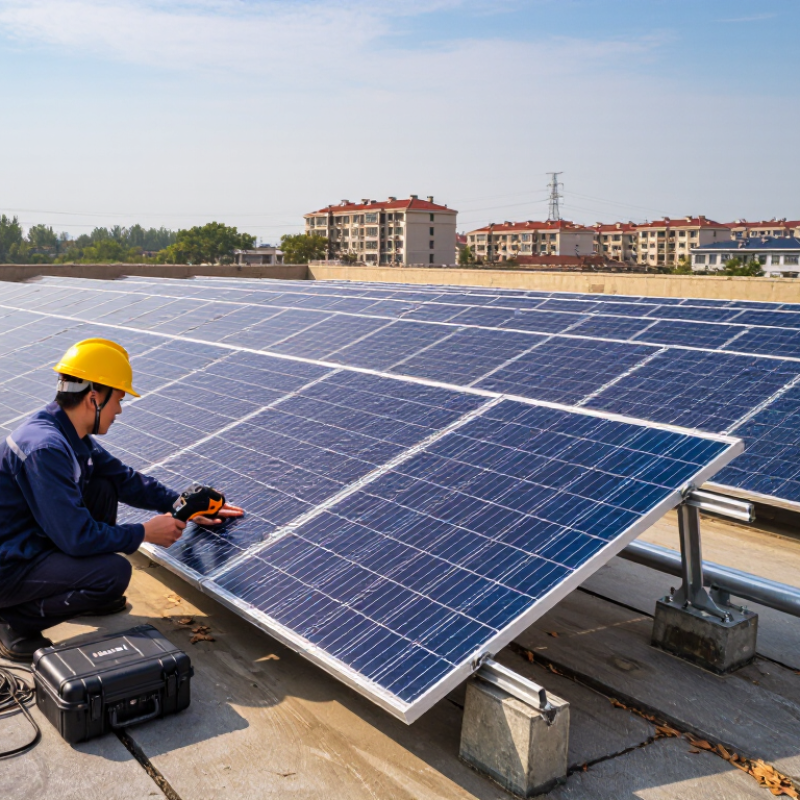
How Often Does Solar Equipment Need Maintenance in 2026?

Solar Maintenance Basics: Annual Inspections and IEC 62446-1 Guidelines

How Often Does Solar Equipment Need Maintenance in 2026?

Annual inspections remain a practical baseline for most solar systems. However, the exact interval depends on climate, system age, roof conditions, and local requirements. Dust, salt air, snow, wildlife, and nearby construction can create different risks.

IEC 62446-1 provides a structured approach for system documentation, commissioning, inspection, and testing. It does not prescribe one universal maintenance schedule. A qualified technician should review inverter records, protective devices, cable routing, connector condition, mounting hardware, and roof penetrations. Thermal imaging can reveal loose connections or uneven module performance. Insulation resistance and polarity tests may also be appropriate, following safe procedures and equipment instructions.

Field experience shows that small defects often become expensive failures. Corrosion around a cable entry can seem harmless until moisture reaches the enclosure. A checklist helps, but it can miss unusual site conditions. That is worth remembering.

Tips: Keep inspection reports, test results, photographs, and equipment changes together. Clear vegetation near modules without damaging wiring. After severe storms, inspect visible damage before restarting the system. Ask for measurements, not only a verbal “everything looks fine.” Schedule extra checks for coastal, dusty, or heavily shaded locations.

Monthly Monitoring: Detecting Performance Loss Above NREL’s 0.5% Annual Degradation

Solar equipment deserves more than an annual service visit. Monthly monitoring can reveal performance loss before it becomes an expensive repair. The National Renewable Energy Laboratory reports an average annual degradation rate near 0.5% for many photovoltaic systems. That figure equals roughly 0.04% per month, but real output rarely follows a perfect line.

Track monthly energy production against sunlight levels, temperature, and system uptime. A cloudy month may look like a failure when it is only weather. Compare similar months or use irradiance data when available. I have found that a sudden 5% drop across two clear months deserves inspection. Check inverter alerts, cable connections, shading, dust, and unusual panel temperature differences. Small clues matter.

Do not clean panels automatically every month. Dust, pollen, and bird residue vary by location, while unnecessary washing can waste water and increase surface wear. Review monitoring data after heavy storms, nearby construction, or extended grid interruptions. Keep dated records with production, weather, alerts, and maintenance notes. A clean spreadsheet can still mislead. Sensor errors happen.

If output stays below the expected range, arrange a qualified inspection rather than guessing. Technicians can test insulation, connectors, grounding, and individual circuit performance safely. Monthly monitoring does not replace physical maintenance. It makes maintenance more targeted, timely, and easier to verify.

Seasonal Servicing: Cleaning, Vegetation Control, and Storm Checks for PV Arrays

In 2026, most rooftop PV arrays need seasonal attention, not constant servicing. A practical schedule uses spring cleaning, summer vegetation checks, and post-storm inspections. Dust, pollen, bird residue, and salt film can reduce light reaching the modules. Use a soft brush, clean water, and approved safety procedures. Never walk on modules. On steep or fragile roofs, use a qualified solar technician.

Vegetation control matters most for ground-mounted arrays and low roof edges. Trim branches before they cast moving shadows across the array. Keep vines away from cable routes, drains, and inverter enclosures. Do not cut near energized equipment without isolation and electrical training. Small weeds can become hiding places for rodents. That detail is easy to miss. Avoid harsh chemicals, pressure washing, and tools that scratch glass or damage seals.

After high winds, hail, lightning, or heavy snow, inspect from the ground first. Look for shifted panels, cracked glass, exposed wiring, loose clamps, and water entry. Check monitoring data for sudden production changes. A visual check cannot confirm every fault. Arrange a professional inspection when damage is suspected. Record photos, dates, weather conditions, and repairs. Maintenance plans are useful, but real sites are untidy; pollen may arrive early, and storms rarely follow the calendar.

Inverter Maintenance: Inspection Cycles and Typical 10–15-Year Replacement Timing

In 2026, solar inverters deserve more attention than panels. They convert electricity, manage heat, and often operate every day. A practical inspection cycle is once a year for most homes. Systems in dusty, humid, or very hot areas may need checks every six months.

During an inspection, a qualified technician should examine warning codes, ventilation openings, cable connections, and mounting points. They should also review production records for gradual output changes. A quiet inverter is not always a healthy inverter. Strange clicking, repeated shutdowns, hot casing surfaces, or moisture marks deserve prompt attention. Keep the area clear of leaves, stored items, and pest nests. Never open energized equipment without proper training and isolation procedures.

Many inverters last about 10 to 15 years, although conditions matter. High temperatures, voltage fluctuations, poor airflow, and heavy cycling can shorten that period. Replacement planning should begin before failure, especially when the unit approaches its tenth year. Check compatibility with the existing panels, monitoring system, wiring, and local electrical requirements. Recent field experience shows that records are often incomplete. That makes diagnosis slower and sometimes more expensive. A simple maintenance log can record inspection dates, fault codes, measured output, and unusual sounds. Replacement is not automatically required at ten years. Age is a signal, not a verdict.

How Often Does Solar Equipment Need Maintenance in 2026? - Inverter Maintenance: Inspection Cycles and Typical 10–15-Year Replacement Timing

Maintenance Area Recommended Inspection Cycle What to Check Typical Corrective Action Replacement or Service Timing
Remote monitoring and performance data Monthly, or continuously where monitoring is available Energy production, fault codes, communication status, repeated shutdowns, and abnormal output compared with seasonal conditions Record the fault, verify the system safely, and arrange qualified service if the issue persists Investigate promptly; recurring faults may indicate component degradation
Inverter exterior and enclosure Every 6–12 months and after severe weather Physical damage, corrosion, water entry, loose covers, unusual noise, indicator lights, and signs of overheating Remove nearby obstructions, correct water exposure, tighten or replace damaged hardware, and use a qualified technician for electrical work Service immediately when damage, overheating, or water ingress is found
Cooling airflow, vents, and heat sinks Every 6–12 months; more often in dusty or hot locations Dust buildup, blocked ventilation, excessive operating temperature, and fan operation where fitted Clean external surfaces and restore required clearance; do not open energized equipment unless qualified Replace failed fans or temperature-damaged parts as soon as practical
DC and AC cables, connectors, and isolators Annually and after storm, pest, or construction activity Cable abrasion, unsupported wiring, heat damage, loose connections, corrosion, and signs of arcing De-energize according to the system procedure and have a qualified electrician repair or replace affected components Immediate repair is recommended for exposed conductors, damaged insulation, or overheating
Electrical testing and protective devices Every 1–3 years, or according to local electrical rules and the equipment manual Grounding continuity, insulation condition, disconnects, surge protection, voltage, current, and fault protection Test, document, and repair only by a competent solar or electrical professional using appropriate procedures Replace failed protective devices or deteriorated wiring without delay
Firmware, settings, and safety functions Review annually and whenever a service notice or system fault occurs Firmware status, grid settings, time and date, communications, shutdown functions, and stored alarms Apply approved updates and confirm operating settings after commissioning or service Software updates are not a substitute for hardware replacement when faults remain
Thermal imaging and detailed condition assessment Every 2–5 years, or sooner when overheating or intermittent faults are suspected Hot spots at terminals, disconnects, cable connections, fuses, and inverter components under suitable load Trace abnormal heat to its source and repair the connection or component after safe isolation Useful for preventative maintenance, especially in large, commercial, or high-temperature systems
String inverter replacement planning Begin condition review around year 8–10 Age, fault history, efficiency, repair availability, enclosure condition, cooling performance, and compatibility with the array Compare repair, warranty service, and replacement costs; verify electrical compatibility before selecting a replacement A typical planning range is approximately 10–15 years, but actual life varies with heat, loading, installation quality, and maintenance
Microinverters and power electronics installed at module level Monitor continuously and inspect during periodic system service Module-level production, communication loss, repeated fault codes, moisture exposure, and connector condition Identify the affected unit and arrange safe component-level service; rooftop access should be handled by trained personnel Individual units may be replaced separately; timing depends on operating conditions, failure history, and the applicable product warranty

Maintenance note: Inspection intervals are general planning guidance for 2026. Always follow the inverter manual, applicable electrical regulations, and local safety requirements. Internal inverter repairs and live electrical testing should be performed only by qualified personnel.

Long-Term Planning: Managing 25–30-Year Solar Module Lifespans and Warranties

Solar modules are designed for long service, but “25 to 30 years” does not mean unchanged output. Most warranties define gradual performance loss, often ending near 80–90% of original capacity. Exact terms differ, so owners should read the warranty before installation. Keep that document accessible. A dated digital copy helps.

Long-term maintenance starts with a baseline. Record production during the system’s first full month. Photograph the array, cable routes, and mounting points. Then compare annual output with weather and household usage. A sudden decline deserves inspection. Dust, bird deposits, shading, loose connections, and inverter faults can look similar on a monitoring screen. Cleaning may help in dry, dusty areas, but rainfall may be enough elsewhere. Do not assume frequent washing improves results.

Arrange a professional inspection every one to two years, or sooner after severe weather. The technician should check fasteners, seals, wiring, grounding, and signs of heat damage. Inverters and batteries may need replacement earlier than the modules. Include that cost in a 25-year plan. Warranty claims may also depend on installation records and maintenance evidence. Missing records can weaken an otherwise valid request. I would review the plan every five years. Energy prices, roof condition, and household usage can change. The original schedule may no longer fit.

FAQS

Why should solar systems be monitored every month?

Monthly records can reveal gradual performance loss before repairs become expensive. Compare energy output with sunlight, temperature, and uptime. Small clues matter.

What performance decline should trigger an inspection?

A sudden 5% drop across two clear months deserves attention. One cloudy month may mean weather, not equipment failure. I might still overreact without enough data.

Which details should monthly monitoring records include?

Record production, weather conditions, warning messages, outages, and maintenance dates. A spreadsheet helps, but sensor errors can mislead. Check unusual readings twice.

Should solar panels be cleaned automatically every month?

Not always. Dust, pollen, and bird residue differ by location. Unnecessary washing wastes water and may increase surface wear.

When should monitoring receive extra attention?

Review the system after heavy storms, nearby construction, or long grid interruptions. Look for new shading, debris, cable damage, and unusual temperature differences.

How often should an inverter receive professional inspection?

Most homes need an annual inspection. Dusty, humid, or very hot locations may need checks every six months. Conditions matter more than habit.

Which inverter warning signs require prompt attention?

Repeated shutdowns, strange clicking, hot casing surfaces, and moisture marks deserve inspection. Keep leaves, stored items, and pest nests away. Do not open energized equipment.

How long do many inverters typically last?

Many operate for about 10 to 15 years. Heat, voltage changes, poor airflow, and heavy cycling can shorten that period. Ten years is a signal, not a verdict.

When should inverter replacement planning begin?

Begin planning before failure, especially near the tenth year. Confirm compatibility with panels, wiring, monitoring equipment, and electrical requirements. Records may be incomplete.

Does monthly monitoring replace physical maintenance?

No. It makes maintenance more targeted and easier to verify. Qualified technicians should test connections, insulation, grounding, and individual circuit performance safely.

Conclusion

How often does solar equipment need maintenance? In most cases, a solar energy system should receive a professional inspection at least once a year, following applicable IEC 62446-1 guidance for electrical testing, safety checks, and performance verification. Monthly monitoring is also valuable because it can reveal unusual drops in energy production, especially when annual degradation exceeds the typical 0.5% benchmark. Reviewing system data helps identify faults before they become costly repairs.

Seasonal servicing should include panel cleaning when needed, vegetation control, visual checks after severe weather, and inspections of wiring, mounting structures, and protective devices. Inverters generally require periodic inspection and may need replacement after approximately 10–15 years, depending on operating conditions. Long-term planning should account for solar modules commonly operating for 25–30 years, while carefully tracking warranties, maintenance records, and expected performance. Regular attention improves safety, supports reliable output, and helps maximize the system’s useful life.

Mason

Mason

Mason is a seasoned marketing professional with a deep expertise in the company's offerings and a passion for driving brand awareness. With a strong background in digital marketing strategies, he has an innate ability to connect with diverse audiences and effectively communicate product benefits.......